Showing Food Wild carrot
| General Information | |||||||||||
|---|---|---|---|---|---|---|---|---|---|---|---|
| Name | Wild carrot | ||||||||||
| Scientific Name | Daucus carota | ||||||||||
| Description | Daucus carota, whose common names include wild carrot, bird's nest, bishop's lace, and Queen Anne's lace (North America), is a flowering plant in the family Apiaceae, native to temperate regions of Europe, southwest Asia and naturalized to North America and Australia. Domesticated carrots are cultivars of a subspecies, Daucus carota subsp. sativus. | ||||||||||
| Primary ID | FOOD00072 | ||||||||||
| Picture | 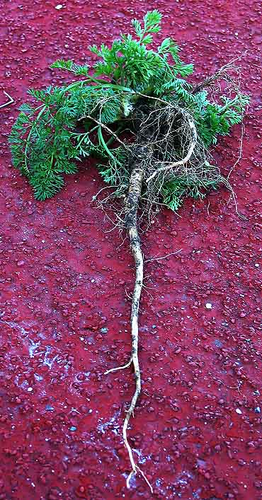 | ||||||||||
| Classification | |||||||||||
| Group | Vegetables | ||||||||||
| Sub-Group | Root vegetables | ||||||||||
| Taxonomy | |||||||||||
| Superkingdom | Eukaryota | ||||||||||
| Kingdom | Viridiplantae | ||||||||||
| Phylum | Streptophyta | ||||||||||
| Class | Magnoliopsida | ||||||||||
| Order | Apiales | ||||||||||
| Family | Apiaceae | ||||||||||
| Genus | Daucus | ||||||||||
| Species | carota | ||||||||||
| Variety | Not Available | ||||||||||
| External Links | |||||||||||
| ITIS ID | 29477 | ||||||||||
| Wikipedia ID | Daucus carota | ||||||||||
| Composition | |||||||||||
| Compounds |
Processing... | ||||||||||
| Macronutrients |
Processing... | ||||||||||
| References | |||||||||||
| Content Reference | — Duke, James. 'Dr. Duke's Phytochemical and Ethnobotanical Databases. United States Department of Agriculture.' Agricultural Research Service, Accessed April 27 (2004). — Shinbo, Y., et al. 'KNApSAcK: a comprehensive species-metabolite relationship database.' Plant Metabolomics. Springer Berlin Heidelberg, 2006. 165-181. — U.S. Department of Agriculture, Agricultural Research Service. 2008. USDA National Nutrient Database for Standard Reference, Release 21. Nutrient Data Laboratory Home Page. | ||||||||||