Showing Food Grass pea
| General Information | |||||||||||
|---|---|---|---|---|---|---|---|---|---|---|---|
| Name | Grass pea | ||||||||||
| Scientific Name | Lathyrus sativus | ||||||||||
| Description | Lathyrus sativus, is a legume (family Fabaceae) commonly grown for human consumption and livestock feed in Asia and East Africa. It is a particularly important crop in areas that are prone to drought and famine, and is thought of as an 'insurance crop' as it produces reliable yields when all other crops fail. | ||||||||||
| Primary ID | FOOD00096 | ||||||||||
| Picture | 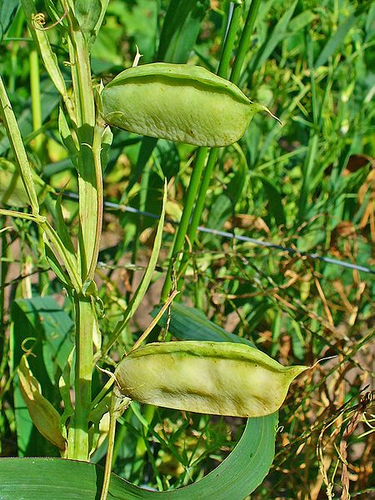 | ||||||||||
| Classification | |||||||||||
| Group | Pulses | ||||||||||
| Sub-Group | Peas | ||||||||||
| Taxonomy | |||||||||||
| Superkingdom | Eukaryota | ||||||||||
| Kingdom | Viridiplantae | ||||||||||
| Phylum | Streptophyta | ||||||||||
| Class | Magnoliopsida | ||||||||||
| Order | Fabales | ||||||||||
| Family | Fabaceae | ||||||||||
| Genus | Lathyrus | ||||||||||
| Species | sativus | ||||||||||
| Variety | Not Available | ||||||||||
| External Links | |||||||||||
| ITIS ID | 25877 | ||||||||||
| Wikipedia ID | Lathyrus sativus | ||||||||||
| Composition | |||||||||||
| Compounds |
Processing... | ||||||||||
| Macronutrients |
Processing... | ||||||||||
| References | |||||||||||
| Content Reference | — Shinbo, Y., et al. 'KNApSAcK: a comprehensive species-metabolite relationship database.' Plant Metabolomics. Springer Berlin Heidelberg, 2006. 165-181. | ||||||||||