Showing Food Lovage
| General Information | |||||||||||
|---|---|---|---|---|---|---|---|---|---|---|---|
| Name | Lovage | ||||||||||
| Scientific Name | Levisticum officinale | ||||||||||
| Description | Lovage , Levisticum officinale, is a tall perennial plant, the sole species in the genus Levisticum in the family Apiaceae, subfamily Apioideae, tribe Apieae. The leaves can be used in salads, or to make soup or season broths, and the roots can be eaten as a vegetable or grated for use in salads. Its flavor and smell is somewhat similar to celery. Lovage tea can be applied to wounds as an antiseptic, or drunk to stimulate digestion. The seeds can be used as a spice, similar to fennel seeds. In the UK, an alcoholic lovage cordial is traditionally mixed with brandy in the ratio of 2:1 as a winter drink. In Romania, the leaves are the preferred seasoning for the various local broths, much more so than parsley or dill. Lovage is third in its quercetin content, behind tea and capers | ||||||||||
| Primary ID | FOOD00100 | ||||||||||
| Picture | 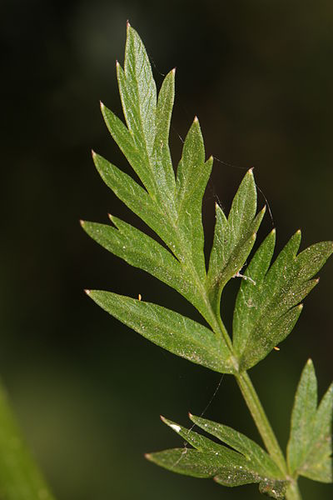 | ||||||||||
| Classification | |||||||||||
| Group | Herbs and Spices | ||||||||||
| Sub-Group | Herbs | ||||||||||
| Taxonomy | |||||||||||
| Superkingdom | Eukaryota | ||||||||||
| Kingdom | Viridiplantae | ||||||||||
| Phylum | Streptophyta | ||||||||||
| Class | Magnoliopsida | ||||||||||
| Order | Apiales | ||||||||||
| Family | Apiaceae | ||||||||||
| Genus | Levisticum | ||||||||||
| Species | officinale | ||||||||||
| Variety | Not Available | ||||||||||
| External Links | |||||||||||
| ITIS ID | 29673 | ||||||||||
| Wikipedia ID | Lovage | ||||||||||
| Composition | |||||||||||
| Compounds |
Processing... | ||||||||||
| Macronutrients |
Processing... | ||||||||||
| References | |||||||||||
| Content Reference | — Duke, James. 'Dr. Duke's Phytochemical and Ethnobotanical Databases. United States Department of Agriculture.' Agricultural Research Service, Accessed April 27 (2004). — Rothwell JA, Pérez-Jiménez J, Neveu V, Medina-Ramon A, M'Hiri N, Garcia Lobato P, Manach C, Knox K, Eisner R, Wishart D, Scalbert A. (2013) Phenol-Explorer 3.0: a major update of the Phenol-Explorer database to incorporate data on the effects of food processing on polyphenol content. Database, 10.1093/database/bat070. — U.S. Department of Agriculture, Agricultural Research Service. 2008. USDA National Nutrient Database for Standard Reference, Release 21. Nutrient Data Laboratory Home Page. | ||||||||||