Showing Food Sorrel
| General Information | |||||||||||
|---|---|---|---|---|---|---|---|---|---|---|---|
| Name | Sorrel | ||||||||||
| Scientific Name | Rumex acetosa | ||||||||||
| Description | Common sorrel or garden sorrel (Rumex acetosa), often simply called sorrel, is a perennial herb in the family Polygonaceae. Other names for sorrel include spinach dock and narrow-leaved dock. It is a common plant in grassland habitats and is cultivated as a garden herb or leaf vegetable (pot herb). | ||||||||||
| Primary ID | FOOD00164 | ||||||||||
| Picture | 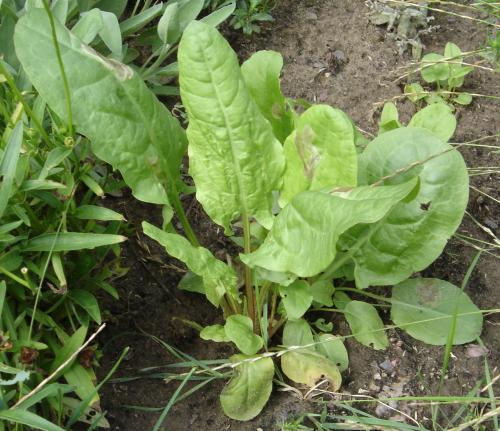 | ||||||||||
| Classification | |||||||||||
| Group | Herbs and Spices | ||||||||||
| Sub-Group | Herbs | ||||||||||
| Taxonomy | |||||||||||
| Superkingdom | Eukaryota | ||||||||||
| Kingdom | Viridiplantae | ||||||||||
| Phylum | Streptophyta | ||||||||||
| Class | Magnoliopsida | ||||||||||
| Order | Caryophyllales | ||||||||||
| Family | Polygonaceae | ||||||||||
| Genus | Rumex | ||||||||||
| Species | acetosa | ||||||||||
| Variety | Not Available | ||||||||||
| External Links | |||||||||||
| ITIS ID | 504901 | ||||||||||
| Wikipedia ID | Sorrel | ||||||||||
| Composition | |||||||||||
| Compounds |
Processing... | ||||||||||
| Macronutrients |
Processing... | ||||||||||
| References | |||||||||||
| Content Reference | — Duke, James. 'Dr. Duke's Phytochemical and Ethnobotanical Databases. United States Department of Agriculture.' Agricultural Research Service, Accessed April 27 (2004). — Saxholt, E., et al. 'Danish food composition databank, revision 7.' Department of Nutrition, National Food Institute, Technical University of Denmark (2008). — Shinbo, Y., et al. 'KNApSAcK: a comprehensive species-metabolite relationship database.' Plant Metabolomics. Springer Berlin Heidelberg, 2006. 165-181. | ||||||||||