Showing Food Gram bean
| General Information | |||||||||||
|---|---|---|---|---|---|---|---|---|---|---|---|
| Name | Gram bean | ||||||||||
| Scientific Name | Vigna mungo | ||||||||||
| Description | Vigna mungo, known as Urad Dal, black gram, black lentil (not to be confused with the much smaller true black lentil (Lens culinaris)), white lentil, black matpe bean, is a bean grown in Indian subcontinent. It, along with the mung bean, was placed in Phaseolus, but has since been transferred to Vigna. At one time it was considered to belong to the same species as the mung bean. The product sold as "black lentil" is usually the whole urad bean or urad dal. The product sold as "white lentil" is the same lentil with the black skin removed. | ||||||||||
| Primary ID | FOOD00199 | ||||||||||
| Picture | 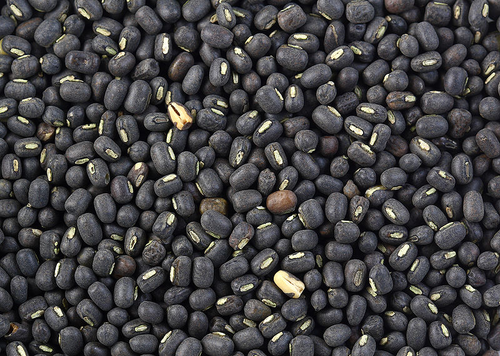 | ||||||||||
| Classification | |||||||||||
| Group | Pulses | ||||||||||
| Sub-Group | Beans | ||||||||||
| Taxonomy | |||||||||||
| Superkingdom | Eukaryota | ||||||||||
| Kingdom | Viridiplantae | ||||||||||
| Phylum | Streptophyta | ||||||||||
| Class | Magnoliopsida | ||||||||||
| Order | Fabales | ||||||||||
| Family | Fabaceae | ||||||||||
| Genus | Vigna | ||||||||||
| Species | mungo | ||||||||||
| Variety | Not Available | ||||||||||
| External Links | |||||||||||
| ITIS ID | 506273 | ||||||||||
| Wikipedia ID | Vigna_mungo | ||||||||||
| Composition | |||||||||||
| Compounds |
Processing... | ||||||||||
| Macronutrients |
Processing... | ||||||||||
| References | |||||||||||
| Content Reference | — Duke, James. 'Dr. Duke's Phytochemical and Ethnobotanical Databases. United States Department of Agriculture.' Agricultural Research Service, Accessed April 27 (2004). — U.S. Department of Agriculture, Agricultural Research Service. 2008. USDA National Nutrient Database for Standard Reference, Release 21. Nutrient Data Laboratory Home Page. — Shinbo, Y., et al. 'KNApSAcK: a comprehensive species-metabolite relationship database.' Plant Metabolomics. Springer Berlin Heidelberg, 2006. 165-181. | ||||||||||