Showing Food Black cabbage
| General Information | |||||||||||
|---|---|---|---|---|---|---|---|---|---|---|---|
| Name | Black cabbage | ||||||||||
| Scientific Name | Brassica oleracea var. viridis | ||||||||||
| Description | The acephala group refers to any type of Brassica which grows without the central 'head' typical of many varieties of cabbage. These are included within the species Brassica oleracea, such as Kale (Brassica oleracea var. acephala). The name literally means "without a head" in contrast to those varieties known as capitata or "with a head". This group includes a number of species, both wild and cultivated, many of which are grown for their edible leafs and flowers. (Wikipedia) | ||||||||||
| Primary ID | FOOD00247 | ||||||||||
| Picture | 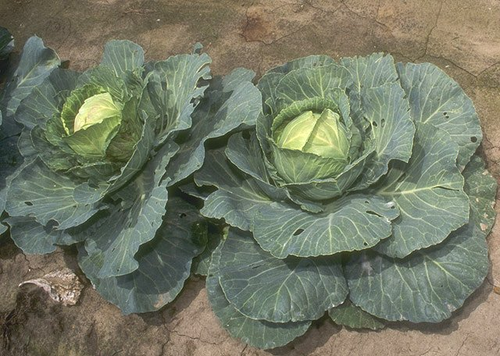 | ||||||||||
| Classification | |||||||||||
| Group | Vegetables | ||||||||||
| Sub-Group | Cabbages | ||||||||||
| Taxonomy | |||||||||||
| Superkingdom | Eukaryota | ||||||||||
| Kingdom | Viridiplantae | ||||||||||
| Phylum | Streptophyta | ||||||||||
| Class | Magnoliopsida | ||||||||||
| Order | Brassicales | ||||||||||
| Family | Brassicaceae | ||||||||||
| Genus | Brassica | ||||||||||
| Species | oleracea | ||||||||||
| Variety | viridis | ||||||||||
| External Links | |||||||||||
| ITIS ID | Not Available | ||||||||||
| Wikipedia ID | Not Available | ||||||||||
| Composition | |||||||||||
| Compounds |
Processing... | ||||||||||
| Macronutrients |
Processing... | ||||||||||
| References | |||||||||||
| Content Reference | — U.S. Department of Agriculture, Agricultural Research Service. 2008. USDA National Nutrient Database for Standard Reference, Release 21. Nutrient Data Laboratory Home Page. | ||||||||||