Showing Food Grapefruit/Pummelo hybrid
| General Information | |||||||||||||
|---|---|---|---|---|---|---|---|---|---|---|---|---|---|
| Name | Grapefruit/Pummelo hybrid | ||||||||||||
| Scientific Name | Citrus paradisi X Citrus maxima | ||||||||||||
| Description | Not Available | ||||||||||||
| Primary ID | FOOD00255 | ||||||||||||
| Picture | 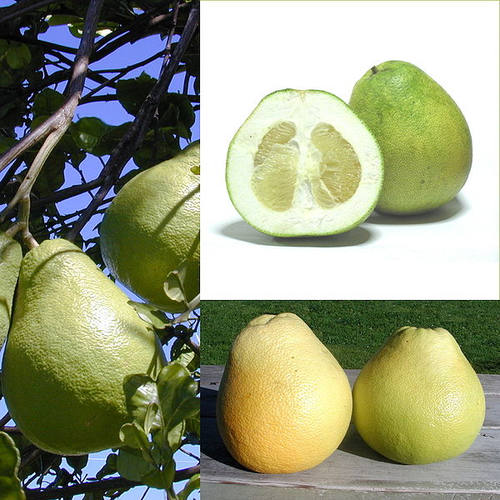 | ||||||||||||
| Classification | |||||||||||||
| Group | Fruits | ||||||||||||
| Sub-Group | Citrus | ||||||||||||
| External Links | |||||||||||||
| ITIS ID | Not Available | ||||||||||||
| Wikipedia ID | Not Available | ||||||||||||
| Composition | |||||||||||||
| Compounds |
Processing... | ||||||||||||
| Macronutrients |
Showing 0 to 0 of 0 entries | ||||||||||||
| References | |||||||||||||
| Content Reference | — Rothwell JA, Pérez-Jiménez J, Neveu V, Medina-Ramon A, M'Hiri N, Garcia Lobato P, Manach C, Knox K, Eisner R, Wishart D, Scalbert A. (2013) Phenol-Explorer 3.0: a major update of the Phenol-Explorer database to incorporate data on the effects of food processing on polyphenol content. Database, 10.1093/database/bat070. — U.S. Department of Agriculture, Agricultural Research Service. 2008. USDA National Nutrient Database for Standard Reference, Release 21. Nutrient Data Laboratory Home Page. | ||||||||||||