Showing Food Cardoon
| General Information | |||||||||||
|---|---|---|---|---|---|---|---|---|---|---|---|
| Name | Cardoon | ||||||||||
| Scientific Name | Cynara cardunculus | ||||||||||
| Description | The cardoon (Cynara cardunculus), also called the artichoke thistle, cardone, cardoni, carduni or cardi, is a thistle-like plant in the family Asteraceae. It is the naturally occurring form of the same species as the globe artichoke, and has many cultivated varieties. It is native to the western and central Mediterranean region, where it was domesticated in ancient times. | ||||||||||
| Primary ID | FOOD00319 | ||||||||||
| Picture | 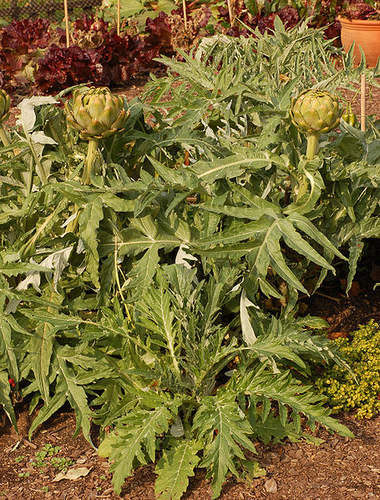 | ||||||||||
| Classification | |||||||||||
| Group | Vegetables | ||||||||||
| Sub-Group | Shoot vegetables | ||||||||||
| Taxonomy | |||||||||||
| Superkingdom | Eukaryota | ||||||||||
| Kingdom | Viridiplantae | ||||||||||
| Phylum | Streptophyta | ||||||||||
| Class | Magnoliopsida | ||||||||||
| Order | Asterales | ||||||||||
| Family | Asteraceae | ||||||||||
| Genus | Cynara | ||||||||||
| Species | cardunculus | ||||||||||
| Variety | Not Available | ||||||||||
| External Links | |||||||||||
| ITIS ID | 37221 | ||||||||||
| Wikipedia ID | Cardoon | ||||||||||
| Composition | |||||||||||
| Compounds |
Processing... | ||||||||||
| Macronutrients |
Processing... | ||||||||||
| References | |||||||||||
| Content Reference | — U.S. Department of Agriculture, Agricultural Research Service. 2008. USDA National Nutrient Database for Standard Reference, Release 21. Nutrient Data Laboratory Home Page. — Shinbo, Y., et al. 'KNApSAcK: a comprehensive species-metabolite relationship database.' Plant Metabolomics. Springer Berlin Heidelberg, 2006. 165-181. | ||||||||||