Showing Food Green cabbage
| General Information | |||||||||||
|---|---|---|---|---|---|---|---|---|---|---|---|
| Name | Green cabbage | ||||||||||
| Scientific Name | Brassica oleracea var. sabauda L. | ||||||||||
| Description | Green cabbage has numerous pale green leaves that are thick and broad with prominent veins and a slightly waxy finish.They overlap to form a dense round to oblate ball and can measure 15 to 18 centimeters in diameter and may weigh up to 10 pounds each. The leaves are firm when raw and tender when cooked and it offers a sweet, grassy flavor. | ||||||||||
| Primary ID | FOOD00967 | ||||||||||
| Picture | 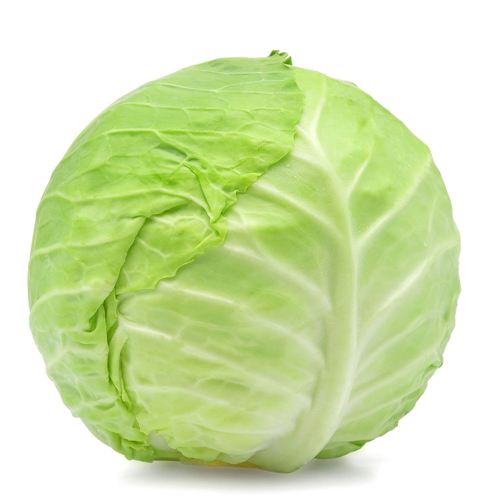 | ||||||||||
| Classification | |||||||||||
| Group | Vegetables | ||||||||||
| Sub-Group | Cabbages | ||||||||||
| External Links | |||||||||||
| ITIS ID | Not Available | ||||||||||
| Wikipedia ID | Not Available | ||||||||||
| Composition | |||||||||||
| Compounds |
Processing... | ||||||||||
| Macronutrients |
Processing... | ||||||||||
| References | |||||||||||
| Content Reference | — U.S. Department of Agriculture, Agricultural Research Service. 2008. USDA National Nutrient Database for Standard Reference, Release 21. Nutrient Data Laboratory Home Page. | ||||||||||