Record Information
Version1.0
Creation date2010-04-08 22:05:14 UTC
Update date2019-11-26 02:57:00 UTC
Primary IDFDB002100
Secondary Accession Numbers
  • FDB017732
Chemical Information
FooDB NameCaffeine
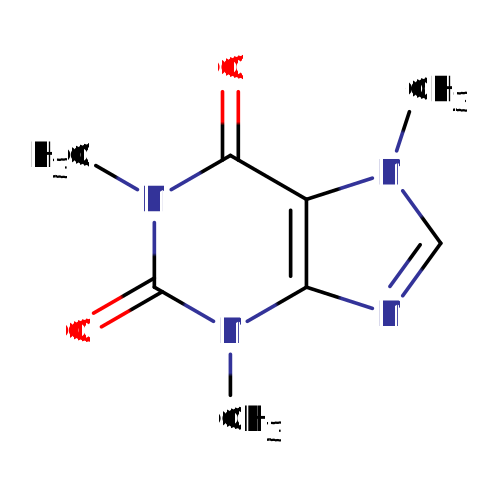
DescriptionCaffeine, also known as coffein or mateina, belongs to the class of organic compounds known as xanthines. These are purine derivatives with a ketone group conjugated at carbons 2 and 6 of the purine moiety. Caffeine is an extremely weak basic (essentially neutral) compound (based on its pKa). Caffeine is a bitter and odorless tasting compound. Caffeine is found, on average, in the highest concentration within a few different foods, such as arabica coffee, coffee, and tea and in a lower concentration in energy drinks, ice cream cones, and other candies. Caffeine has also been detected, but not quantified in, several different foods, such as longans, cornbread, whiskies, american shad, and highbush blueberries. This could make caffeine a potential biomarker for the consumption of these foods. Caffeine is a potentially toxic compound.
CAS Number58-08-2
Structure
Thumb
Synonyms
SynonymSource
1,3,7-Trimethyl-2,6-dioxopurineChEBI
1,3,7-Trimethylpurine-2,6-dioneChEBI
1,3,7-TrimethylxanthineChEBI
1-MethyltheobromineChEBI
3,7-Dihydro-1,3,7-trimethyl-1H-purin-2,6-dionChEBI
7-MethyltheophyllineChEBI
Anhydrous caffeineChEBI
CafeinaChEBI
CafeineChEBI
CoffeinChEBI
GuaranineChEBI
KoffeinChEBI
MateinaChEBI
MethyltheobromineChEBI
TeinaChEBI
TheinChEBI
TheineChEBI
RespiaKegg
1,3,7-Trimethyl-3,7-dihydro-1H-purine-2,6-dioneHMDB
1-Methyl-theobromineHMDB
3,7-Dihydro-1,3,7-trimethyl-1H-purine-2,6-dioneHMDB
7-Methyl theophyllineHMDB
Anhydrous caffeine (JP15)HMDB
HycomineHMDB
LanorinalHMDB
MethyltheobromideHMDB
Methylxanthine theophyllineHMDB
Monohydrate caffeineHMDB
PropoxypheneHMDB
Merck dura brand OF caffeineHMDB
Thompson brand 1 OF caffeineHMDB
Bristol-myers squibb brand OF caffeineHMDB
CaffedrineHMDB
DexitacHMDB
Percoffedrinol NHMDB
Pierre fabre brand OF caffeineHMDB
Republic drug brand OF caffeineHMDB
Thompson brand 2 OF caffeineHMDB
VivarinHMDB
Coffeinum NHMDB
Coffeinum purrumHMDB
DurvitanHMDB
GlaxoSmithKline brand OF caffeineHMDB
No dozHMDB
PercutaféineHMDB
Quick-pepHMDB
Seid brand OF caffeineHMDB
Berlin-chemie brand OF caffeineHMDB
Passauer brand OF caffeineHMDB
Quick pepHMDB
QuickPepHMDB
1,3,7-Trimethyl-2,6-dioxo-1,2,3,6-tetrahydropurinebiospider
3,7-dihydro-1,3,7-Trimethyl-1H-purin-2,6-dionChEBI
3,7-dihydro-1,3,7-Trimethyl-1H-purine-2,6-dioneHMDB
3,7-Dihydro-1,3,7-trimethyl-1H-purine-2,6-dione, 9CIdb_source
Anhydrous caffeine (jp15)HMDB
Caffeinbiospider
Cafipeldb_source
Coffeinedb_source
FEMA 2224db_source
Predicted Properties
PropertyValueSource
Water Solubility11 g/LALOGPS
logP-0.24ALOGPS
logP-0.55ChemAxon
logS-1.2ALOGPS
pKa (Strongest Basic)-0.92ChemAxon
Physiological Charge0ChemAxon
Hydrogen Acceptor Count3ChemAxon
Hydrogen Donor Count0ChemAxon
Polar Surface Area58.44 ŲChemAxon
Rotatable Bond Count0ChemAxon
Refractivity49.83 m³·mol⁻¹ChemAxon
Polarizability18.95 ųChemAxon
Number of Rings2ChemAxon
BioavailabilityYesChemAxon
Rule of FiveYesChemAxon
Ghose FilterNoChemAxon
Veber's RuleNoChemAxon
MDDR-like RuleNoChemAxon
Chemical FormulaC8H10N4O2
IUPAC name1,3,7-trimethyl-2,3,6,7-tetrahydro-1H-purine-2,6-dione
InChI IdentifierInChI=1S/C8H10N4O2/c1-10-4-9-6-5(10)7(13)12(3)8(14)11(6)2/h4H,1-3H3
InChI KeyRYYVLZVUVIJVGH-UHFFFAOYSA-N
Isomeric SMILESCN1C=NC2=C1C(=O)N(C)C(=O)N2C
Average Molecular Weight194.1906
Monoisotopic Molecular Weight194.080375584
Classification
Description Belongs to the class of organic compounds known as xanthines. These are purine derivatives with a ketone group conjugated at carbons 2 and 6 of the purine moiety.
KingdomOrganic compounds
Super ClassOrganoheterocyclic compounds
ClassImidazopyrimidines
Sub ClassPurines and purine derivatives
Direct ParentXanthines
Alternative Parents
Substituents
  • Xanthine
  • Purinone
  • 6-oxopurine
  • Alkaloid or derivatives
  • Pyrimidone
  • Pyrimidine
  • N-substituted imidazole
  • Heteroaromatic compound
  • Vinylogous amide
  • Imidazole
  • Azole
  • Urea
  • Lactam
  • Azacycle
  • Organic nitrogen compound
  • Organic oxygen compound
  • Organopnictogen compound
  • Organic oxide
  • Hydrocarbon derivative
  • Organooxygen compound
  • Organonitrogen compound
  • Aromatic heteropolycyclic compound
Molecular FrameworkAromatic heteropolycyclic compounds
External Descriptors
Ontology
Physiological effect

Health effect:

Disposition

Route of exposure:

Source:

Biological location:

Process

Naturally occurring process:

Role

Indirect biological role:

Environmental role:

Industrial application:

Biological role:

Foods
  • Cocoa and cocoa products
  • Beverages:

    Physico-Chemical Properties
    Physico-Chemical Properties - Experimental
    PropertyValueReference
    Physical stateSolid
    Physical DescriptionNot Available
    Mass CompositionC 49.48%; H 5.19%; N 28.85%; O 16.48%DFC
    Melting PointMp 236° (phase transition at 141°)DFC
    Boiling PointNot Available
    Experimental Water Solubility21.6 mg/mL at 25 oCYALKOWSKY,SH & DANNENFELSER,RM (1992)
    Experimental logP-0.07HANSCH,C ET AL. (1995)
    Experimental pKa10.4
    Isoelectric pointNot Available
    ChargeNot Available
    Optical RotationNot Available
    Spectroscopic UV DataNot Available
    DensityNot Available
    Refractive IndexNot Available
    Spectra
    Spectra
    EI-MS/GC-MS
    TypeDescriptionSplash KeyView
    EI-MSMass Spectrum (Electron Ionization)splash10-052f-8900000000-68b5e9aa3404fb3d8d3a2014-09-20View Spectrum
    GC-MSCaffeine, 0 TMS, GC-MS Spectrumsplash10-0536-3900000000-a9e112713ffae6dabdaaSpectrum
    GC-MSCaffeine, 0 TMS, GC-MS Spectrumsplash10-0536-2900000000-8cdcd005b2e7622a02a3Spectrum
    GC-MSCaffeine, non-derivatized, GC-MS Spectrumsplash10-052f-0900000000-f1084acfddb240696073Spectrum
    GC-MSCaffeine, non-derivatized, GC-MS Spectrumsplash10-05nf-6900000000-8670a644cee5d9de78d4Spectrum
    GC-MSCaffeine, non-derivatized, GC-MS Spectrumsplash10-0536-3900000000-4430852b279a72e34822Spectrum
    GC-MSCaffeine, non-derivatized, GC-MS Spectrumsplash10-0006-0900000000-51898e93480e848d7da1Spectrum
    GC-MSCaffeine, non-derivatized, GC-MS Spectrumsplash10-0002-0900000000-2aed5d425b6a95add5dbSpectrum
    GC-MSCaffeine, non-derivatized, GC-MS Spectrumsplash10-0a4l-4900000000-3ff72dace6687d242f1fSpectrum
    GC-MSCaffeine, non-derivatized, GC-MS Spectrumsplash10-0006-1900000000-2ba1fae6e27c7b836984Spectrum
    GC-MSCaffeine, non-derivatized, GC-MS Spectrumsplash10-0002-0900000000-fd859aeb416e320d6379Spectrum
    GC-MSCaffeine, non-derivatized, GC-MS Spectrumsplash10-0536-3900000000-a9e112713ffae6dabdaaSpectrum
    GC-MSCaffeine, non-derivatized, GC-MS Spectrumsplash10-0536-2900000000-8cdcd005b2e7622a02a3Spectrum
    GC-MSCaffeine, non-derivatized, GC-MS Spectrumsplash10-052f-0900000000-f1084acfddb240696073Spectrum
    GC-MSCaffeine, non-derivatized, GC-MS Spectrumsplash10-05nf-6900000000-8670a644cee5d9de78d4Spectrum
    GC-MSCaffeine, non-derivatized, GC-MS Spectrumsplash10-0536-3900000000-4430852b279a72e34822Spectrum
    Predicted GC-MSCaffeine, non-derivatized, Predicted GC-MS Spectrum - 70eV, Positivesplash10-052r-0900000000-41f36d541d34d2088964Spectrum
    Predicted GC-MSCaffeine, non-derivatized, Predicted GC-MS Spectrum - 70eV, PositiveNot AvailableSpectrum
    MS/MS
    TypeDescriptionSplash KeyView
    MS/MSLC-MS/MS Spectrum - Quattro_QQQ 10V, Positive (Annotated)splash10-0006-0900000000-447fc72b2c709e2e18a92012-07-24View Spectrum
    MS/MSLC-MS/MS Spectrum - Quattro_QQQ 25V, Positive (Annotated)splash10-000i-1900000000-5e3b29de16ad91c79fe02012-07-24View Spectrum
    MS/MSLC-MS/MS Spectrum - Quattro_QQQ 40V, Positive (Annotated)splash10-0006-9100000000-d6f6c52ac36c8f25a5002012-07-24View Spectrum
    MS/MSLC-MS/MS Spectrum - EI-B (HITACHI M-80) , Positivesplash10-0006-0900000000-cddd24399d942b1ac97c2012-08-31View Spectrum
    MS/MSLC-MS/MS Spectrum - CI-B (Unknown) , Positivesplash10-0002-0900000000-2aed5d425b6a95add5db2012-08-31View Spectrum
    MS/MSLC-MS/MS Spectrum - EI-B (HITACHI M-60) , Positivesplash10-0a4l-4900000000-3ff72dace6687d242f1f2012-08-31View Spectrum
    MS/MSLC-MS/MS Spectrum - EI-B (HITACHI M-68) , Positivesplash10-0006-1900000000-2ba1fae6e27c7b8369842012-08-31View Spectrum
    MS/MSLC-MS/MS Spectrum - CI-B (HITACHI M-60) , Positivesplash10-0002-0900000000-63b9ef42a3e8d59e99972012-08-31View Spectrum
    MS/MSLC-MS/MS Spectrum - LC-ESI-QQ (API3000, Applied Biosystems) 10V, Positivesplash10-0002-0900000000-185b3d97d8857a0f269d2012-08-31View Spectrum
    MS/MSLC-MS/MS Spectrum - LC-ESI-QQ (API3000, Applied Biosystems) 20V, Positivesplash10-0002-0900000000-f8a0c0dd9f5c4a272eaf2012-08-31View Spectrum
    MS/MSLC-MS/MS Spectrum - LC-ESI-QQ (API3000, Applied Biosystems) 30V, Positivesplash10-000i-1900000000-dd8e35226d0704aa657d2012-08-31View Spectrum
    MS/MSLC-MS/MS Spectrum - LC-ESI-QQ (API3000, Applied Biosystems) 40V, Positivesplash10-01x9-9800000000-70e3b0eb52481c39d1912012-08-31View Spectrum
    MS/MSLC-MS/MS Spectrum - LC-ESI-QQ (API3000, Applied Biosystems) 50V, Positivesplash10-001l-9100000000-6d428a5571beb0e3fed42012-08-31View Spectrum
    MS/MSLC-MS/MS Spectrum - LC-ESI-QTOF (UPLC Q-Tof Premier, Waters) , Positivesplash10-0002-0900000000-98bec16f898808c3de682012-08-31View Spectrum
    MS/MSLC-MS/MS Spectrum - LC-ESI-QTOF (UPLC Q-Tof Premier, Waters) 30V, Positivesplash10-0002-0900000000-b112e4e059e1ecf98c5f2012-08-31View Spectrum
    MS/MSLC-MS/MS Spectrum - DI-ESI-qTof , Positivesplash10-00dr-0900000000-42c6f8fc7b924e9c64f32017-09-14View Spectrum
    MS/MSLC-MS/MS Spectrum - LC-ESI-qTof , Positivesplash10-000i-4900000000-a60a480f1340558740a22017-09-14View Spectrum
    MS/MSLC-MS/MS Spectrum - LC-ESI-ITFT , positivesplash10-000i-0900000000-695d910d49fc0beb1d542017-09-14View Spectrum
    MS/MSLC-MS/MS Spectrum - LC-ESI-ITFT , positivesplash10-0002-0900000000-094879886a2e72bf0c562017-09-14View Spectrum
    Predicted MS/MSPredicted LC-MS/MS Spectrum - 10V, Positivesplash10-0002-0900000000-761710441aa2c1c3ac682015-05-27View Spectrum
    Predicted MS/MSPredicted LC-MS/MS Spectrum - 20V, Positivesplash10-000b-0900000000-c10af6eda9a9a40947152015-05-27View Spectrum
    Predicted MS/MSPredicted LC-MS/MS Spectrum - 40V, Positivesplash10-01p9-3900000000-141118b1a93b4d48b2d42015-05-27View Spectrum
    Predicted MS/MSPredicted LC-MS/MS Spectrum - 10V, Negativesplash10-0006-0900000000-c8bd8cccb7dd6c66bb422015-05-27View Spectrum
    Predicted MS/MSPredicted LC-MS/MS Spectrum - 20V, Negativesplash10-0006-0900000000-2c8c1760161edd3580262015-05-27View Spectrum
    Predicted MS/MSPredicted LC-MS/MS Spectrum - 40V, Negativesplash10-0a4r-5900000000-260de4a79007e853e4bb2015-05-27View Spectrum
    NMR
    TypeDescriptionView
    1D NMR1H NMR Spectrum (1D, 500 MHz, CDCl3, experimental)Spectrum
    1D NMR1H NMR Spectrum (1D, 90 MHz, CDCl3, experimental)Spectrum
    1D NMR13C NMR Spectrum (1D, 25.16 MHz, CDCl3, experimental)Spectrum
    1D NMR1H NMR Spectrum (1D, 100 MHz, D2O, predicted)Spectrum
    1D NMR13C NMR Spectrum (1D, 100 MHz, D2O, predicted)Spectrum
    1D NMR1H NMR Spectrum (1D, 200 MHz, D2O, predicted)Spectrum
    1D NMR13C NMR Spectrum (1D, 200 MHz, D2O, predicted)Spectrum
    1D NMR1H NMR Spectrum (1D, 300 MHz, D2O, predicted)Spectrum
    1D NMR13C NMR Spectrum (1D, 300 MHz, D2O, predicted)Spectrum
    1D NMR1H NMR Spectrum (1D, 400 MHz, D2O, predicted)Spectrum
    1D NMR13C NMR Spectrum (1D, 400 MHz, D2O, predicted)Spectrum
    1D NMR1H NMR Spectrum (1D, 500 MHz, D2O, predicted)Spectrum
    1D NMR13C NMR Spectrum (1D, 500 MHz, D2O, predicted)Spectrum
    1D NMR1H NMR Spectrum (1D, 600 MHz, D2O, predicted)Spectrum
    1D NMR13C NMR Spectrum (1D, 600 MHz, D2O, predicted)Spectrum
    1D NMR1H NMR Spectrum (1D, 700 MHz, D2O, predicted)Spectrum
    1D NMR13C NMR Spectrum (1D, 700 MHz, D2O, predicted)Spectrum
    1D NMR1H NMR Spectrum (1D, 800 MHz, D2O, predicted)Spectrum
    1D NMR13C NMR Spectrum (1D, 800 MHz, D2O, predicted)Spectrum
    1D NMR1H NMR Spectrum (1D, 900 MHz, D2O, predicted)Spectrum
    1D NMR13C NMR Spectrum (1D, 900 MHz, D2O, predicted)Spectrum
    1D NMR1H NMR Spectrum (1D, 1000 MHz, D2O, predicted)Spectrum
    1D NMR13C NMR Spectrum (1D, 1000 MHz, D2O, predicted)Spectrum
    1D NMR1H NMR Spectrum (1D, 500 MHz, CDCl3, experimental)Spectrum
    2D NMR[1H, 1H]-TOCSY. Unexported temporarily by An Chi on Oct 15, 2021 until json or nmrML file is generated. 2D NMR Spectrum (experimental)Spectrum
    2D NMR[1H, 13C]-HSQC NMR Spectrum (2D, 600 MHz, CDCl3, experimental)Spectrum
    ChemSpider ID2424
    ChEMBL IDCHEMBL113
    KEGG Compound IDC07481
    Pubchem Compound ID2519
    Pubchem Substance IDNot Available
    ChEBI ID27732
    Phenol-Explorer IDNot Available
    DrugBank IDDB00201
    HMDB IDHMDB01847
    CRC / DFC (Dictionary of Food Compounds) IDCFJ89-C:CFJ89-C
    EAFUS ID441
    Dr. Duke IDCAFFEINE
    BIGG IDNot Available
    KNApSAcK IDC00001492
    HET IDCFF
    Food Biomarker OntologyNot Available
    VMH IDNot Available
    Flavornet IDNot Available
    GoodScent IDrw1014161
    SuperScent IDNot Available
    Wikipedia IDCaffeine
    Phenol-Explorer Metabolite IDNot Available
    Duplicate IDSNot Available
    Old DFC IDSNot Available
    Associated Foods
    FoodContent Range AverageReference
    FoodReference
    Biological Effects and Interactions
    Health Effects / Bioactivities
    DescriptorIDDefinitionReference
    (+)-inotropicAn agent that increases the force or energy of muscular contractions, particularly in the heart. It plays a biological role in enhancing cardiac output and is therapeutically used to treat heart failure, cardiogenic shock, and other cardiovascular conditions, improving cardiac function and overall circulation.DUKE
    Adenosine antagonist48706 An agent that blocks adenosine receptors, increasing alertness and activity. Therapeutically, it is used to treat conditions like narcolepsy, and has potential applications in managing asthma, allergies, and cardiovascular diseases by reducing adenosine's vasodilatory and bronchoconstrictive effects.DUKE
    Analeptic35337 A central nervous system stimulant that increases alertness and counteracts depression, used therapeutically to treat conditions such as respiratory depression, sedative overdose, and coma, by enhancing brain activity and promoting arousal.DUKE
    Analgesic35480 An agent that relieves pain by reducing or blocking pain signals in the brain, commonly used to manage acute or chronic pain, inflammation, and fever, with therapeutic applications in surgery, injury, and disease treatment.DUKE
    Anti-apneic52217 An agent that stimulates breathing, used to treat respiratory disorders such as apnea, promoting normal respiratory function and preventing oxygen deprivation.DUKE
    Anti-apoptoticAn agent that inhibits programmed cell death, promoting cell survival. It plays a biological role in regulating cell growth and development. Therapeutically, it has applications in cancer treatment, neurodegenerative diseases, and tissue repair. Key medical uses include preventing cell loss in stroke, Alzheimer's, and Parkinson's diseases, as well as in cancer therapy to protect healthy cells from chemotherapy-induced damage.DUKE
    Anti-asthmatic49167 An agent that relieves bronchospasm and inflammation, commonly used to manage asthma symptoms, chronic obstructive pulmonary disease (COPD), and other respiratory disorders, improving lung function and overall respiratory health.DUKE
    Anti carcinogenic35610 An agent that prevents or inhibits the formation of cancer, reducing tumor growth and proliferation. It plays a biological role in protecting cells from DNA damage and mutation. Therapeutically, it is used to prevent cancer development, with key medical applications in chemotherapy, radiation protection, and cancer prevention programs.DUKE
    Anti cariogenic52217 An agent that prevents tooth decay, reducing bacterial acid production and plaque formation. Its biological role is to inhibit the growth of cariogenic bacteria, and its therapeutic applications include preventing dental caries and managing tooth decay. Key medical uses include toothpaste, mouthwashes, and dental varnishes to maintain oral health.DUKE
    Anti dermatitic50177 An agent that reduces skin inflammation and irritation, commonly used to treat dermatitis, eczema, and other skin disorders, providing relief from itching, redness, and swelling.DUKE
    Anti emetic50919 An agent that prevents or alleviates nausea and vomiting, playing a crucial role in managing chemotherapy-induced, motion-induced, and post-operative nausea. Therapeutically, it helps reduce discomfort and prevent dehydration, commonly used in oncology, gastroenterology, and anesthesia.DUKE
    Anti feedantA substance that inhibits normal feeding behavior, found in certain plants, deterring insects and animals from consuming them. Its therapeutic applications include pest control, while key medical uses involve managing insect-borne diseases and reducing crop damage.DUKE
    Anti-flu22587 An agent that prevents or treats influenza virus infections, reducing symptoms and complications. Its biological role involves blocking viral replication, and its therapeutic applications include prophylaxis and treatment of flu outbreaks. Key medical uses include reducing the risk of flu-related hospitalizations and mortality, especially in high-risk populations such as the elderly and young children.DUKE
    Anti-herpetic22587 An agent that inhibits the replication of herpes viruses, reducing symptoms and severity of infections. Therapeutically, it is used to treat herpes simplex (HSV-1 and HSV-2) and varicella-zoster virus (VZV) infections, commonly used in managing genital herpes, cold sores, and shingles.DUKE
    Anti-hypotensive52217 An agent that increases blood pressure, counteracting hypotension. Its biological role is to stimulate the cardiovascular system, and its therapeutic applications include treating shock, orthostatic hypotension, and severe hypotension. Key medical uses include emergency medicine and critical care.DUKE
    Anti-narcoticAn agent that counteracts the effects of narcotics, used to treat narcotic overdose, manage withdrawal symptoms, and support addiction recovery, by blocking opioid receptors and reducing euphoria and dependence.DUKE
    Anti-obesity52217 An agent that reduces body weight, commonly used in managing obesity and related disorders, by regulating appetite, metabolism, and fat storage, with therapeutic applications in preventing chronic diseases such as diabetes and cardiovascular disease.DUKE
    Anti-oxidant22586 An agent that neutralizes free radicals, reducing oxidative stress and cell damage. Its biological role involves protecting cells from harm, and it has therapeutic applications in managing chronic diseases, such as cancer, diabetes, and neurodegenerative disorders, with key medical uses including anti-aging, anti-inflammatory, and cardio protective effects.DUKE
    Anti-rhinitic52217 An agent that relieves nasal congestion and allergic rhinitis symptoms, reducing inflammation and histamine release. Therapeutically, it's used to manage rhinitis, sinusitis, and allergic reactions, providing relief from sneezing, runny nose, and itchy eyes.DUKE
    Anti serotonergic48278 An agent that blocks the action of serotonin, a neurotransmitter involved in mood regulation. It reduces serotonin activity, commonly used in managing schizophrenia, anxiety disorders, and nausea, as well as treating conditions like irritable bowel syndrome and migraine headaches.DUKE
    Antitumor35610 An agent that inhibits tumor growth and proliferation, playing a crucial role in cancer treatment. Therapeutically, antitumors are used to manage various types of cancer, including chemotherapy, targeted therapy, and immunotherapy, helping to reduce tumor size, prevent metastasis, and improve patient outcomes.DUKE
    Anti-vaccinia22587 An antibody that neutralizes the vaccinia virus, used to treat complications from smallpox vaccination, such as eczema vaccinatum and progressive vaccinia, by reducing viral replication and promoting healing.DUKE
    Anti-viral22587 An agent that inhibits the replication of viruses, playing a crucial role in preventing and treating viral infections. Therapeutically, anti-virals are used to manage diseases such as HIV, herpes, and influenza, reducing symptoms and slowing disease progression. Key medical uses include treating viral hepatitis, respiratory syncytial virus, and COVID-19.DUKE
    ApoptoticAn agent that stimulates programmed cell death, playing a crucial biological role in eliminating damaged or unwanted cells. It has therapeutic applications in cancer treatment, and key medical uses include inducing cell death in malignant cells, reducing tumor growth, and enhancing chemotherapy efficacy.DUKE
    Arrhythmigenic38070 An agent that induces or exacerbates irregular heart rhythms, often used in medical research to study cardiac arrhythmias. Therapeutically, it has limited applications, but can be used to test the efficacy of anti-arrhythmic medications or in cardiac stress tests to diagnose underlying heart conditions.DUKE
    cAMP-phosphodiesterase inhibitor23924 An agent that blocks the breakdown of cyclic adenosine monophosphate (cAMP), increasing its levels and enhancing cellular signaling. Therapeutically, it is used to treat respiratory diseases such as asthma and chronic obstructive pulmonary disease (COPD), as well as certain cardiovascular conditions.DUKE
    Cancer preventive35610 An agent that inhibits the development and progression of cancer, reducing tumor formation and growth. It plays a biological role in blocking carcinogenic pathways, and has therapeutic applications in chemoprevention. Key medical uses include reducing the risk of cancer in high-risk individuals and preventing cancer recurrence.DUKE
    Cardiotonic38070 An agent that strengthens heart muscle contractions, enhancing cardiac output. It plays a biological role in regulating heart function and is therapeutically used to treat heart failure, improving symptoms and exercise tolerance. Key medical uses include managing cardiomyopathy, atrial fibrillation, and congestive heart failure.DUKE
    CatabolicA biological process that breaks down molecules, releasing energy used to fuel anabolic reactions. Therapeutically, catabolic agents are used to manage weight loss, treat metabolic disorders, and enhance athletic performance. Key medical uses includeDUKE
    cGMP-phosphodiesterase inhibitor23924 An agent that blocks the breakdown of cyclic guanosine monophosphate (cGMP), increasing its levels. It relaxes smooth muscle, dilates blood vessels, and improves cardiac function. Therapeutically used to treat erectile dysfunction, pulmonary hypertension, and heart failure, improving exercise tolerance and quality of life.DUKE
    CholereticAn agent that increases bile production and secretion from the liver, enhancing digestion and fat absorption. Therapeutically, it's used to treat gallstones, liver disease, and indigestion, promoting healthy bile flow and liver function.DUKE
    Central nervous system stimulant35470 An agent that increases alertness and activity by enhancing neurotransmitter release, used therapeutically to manage attention deficit hyperactivity disorder (ADHD), narcolepsy, and fatigue, and to improve cognitive function and mood.DUKE
    CoronarydilatorAn agent that dilates coronary vessels, increasing blood flow to the heart. Its biological role is to reduce cardiac workload and improve oxygen delivery. Therapeutically, it's used to treat angina, myocardial infarction, and other cardiovascular conditions, improving cardiac function and reducing symptoms.DUKE
    Diuretic35498 An agent that increases urine production, helping remove excess fluids and salts from the body. It plays a key biological role in regulating fluid balance and blood pressure. Therapeutically, diuretics are used to treat conditions such as hypertension, edema, and heart failure, helping reduce swelling and lower blood pressure.DUKE
    EnergizerAn agent that stimulates energy production, enhancing physical and mental activity. Its biological role involves increasing cellular metabolism. Therapeutically, it is used to treat fatigue and lethargy. Key medical uses include managing chronic fatigue syndrome, improving cognitive function, and enhancing athletic performance.DUKE
    Ergotamine enhancerAn agent that stimulates production of ergotamine, a vasoconstrictor used to treat migraine headaches and other vascular disorders by reducing blood flow to affected areas.DUKE
    Name48318 flavorDUKE
    Herbicide24527 A chemical agent that kills or inhibits plant growth, used in agriculture to control weeds and pests. It has no direct biological role or therapeutic applications in human medicine, but its development has led to the creation of related compounds with potential medical uses, such as anticancer agents.DUKE
    HypertensiveAn agent that increases blood pressure, used therapeutically to treat hypotension (low blood pressure) and shock, and medically to manage conditions such as orthostatic hypotension and postural hypotension.DUKE
    Hypoglycemic35526 An agent that lowers blood glucose levels, playing a crucial role in glucose metabolism. Therapeutically, it is used to manage diabetes and insulin resistance, with key medical applications in treating type 1 and 2 diabetes, and preventing diabetic complications.DUKE
    Insecticide24852 An agent that kills or repels insects, used to control pests and prevent disease transmission. Therapeutically, insecticides have applications in public health and veterinary medicine, key medical uses include controlling insect-borne diseases such as malaria, typhus, and Lyme disease.DUKE
    LypolyticAn agent that breaks down fats, playing a biological role in lipid metabolism. Therapeutically, it has applications in managing obesity and hyperlipidemia. Key medical uses include reducing fat deposits, improving cardiovascular health, and treating conditions associated with excessive fat accumulation.DUKE
    MyorelaxantAn agent that reduces muscle contractility by blocking nerve impulses or decreasing motor end plate excitability, used therapeutically to relieve muscle spasms, tension, and pain, commonly in managing musculoskeletal disorders, anxiety, and insomnia.DUKE
    Neurotoxic50910 A substance that damages or destroys nerve cells, disrupting normal brain function. It has no therapeutic applications, but is used in research to study neurodegenerative diseases. Key medical uses include understanding and developing treatments for conditions like Alzheimer's and Parkinson's diseases, where neurotoxicity plays a role.DUKE
    Pesticide25944 An agent that kills or repels pests, playing a biological role in controlling insect, weed, and fungal populations. Therapeutically, pesticides have limited applications, but some are used to treat ectoparasitic infestations, such as lice and scabies. Key medical uses include topical treatments for head lice and scabies, highlighting their role in managing parasitic infections.DUKE
    Phosphodiesterase inhibitor23924 An agent that blocks phosphodiesterase enzymes, increasing cyclic nucleotide levels, and enhancing cellular signaling. Therapeutically, it treats respiratory, cardiovascular, and neurological disorders, with key medical uses including managing erectile dysfunction, pulmonary hypertension, and chronic obstructive pulmonary disease (COPD).DUKE
    PyrogenicAn agent that induces fever, stimulating the immune system. It plays a biological role in fighting infection and has therapeutic applications in immunotherapy and vaccine development. Key medical uses include treating certain infections and cancers, as well as stimulating the immune system in immunocompromised patients.DUKE
    RespirastimulantAn agent that stimulates an increase in tidal volume and respiratory rate, playing a biological role in enhancing respiratory function. Therapeutically, it is used to manage respiratory disorders, with key medical applications including treatment of chronic obstructive pulmonary disease (COPD), respiratory failure, and apnea.DUKE
    SpasmogenicAn agent that induces spasms, causing sudden involuntary muscular contractions. It plays a biological role in stimulating muscle activity. Therapeutically, it has applications in diagnosing and treating muscle disorders. Key medical uses include assessing muscle function and treating conditions like muscle atrophy, with potential applications in physical therapy and rehabilitation.DUKE
    StimulantAn agent that enhances alertness, wakefulness, and physical activity by increasing brain activity. Therapeutically, it is used to treat attention deficit hyperactivity disorder (ADHD), narcolepsy, and certain cases of depression, improving focus, attention, and overall mental performance.DUKE
    Tachycardic38070 An agent that increases heart rate, playing a biological role in stress response and exercise. Therapeutically, it is used to manage bradycardia (abnormally slow heart rate) and cardiac arrest. Key medical uses include treating symptomatic bradycardia, Adams-Stokes syndrome, and asystole, helping to restore normal heart rhythm and maintain adequate blood circulation.DUKE
    Teratogenic50905 An agent that causes abnormal fetal development, disrupting embryonic growth and leading to birth defects. Its biological role is associated with developmental toxicity, and it has no therapeutic applications. Key medical uses include serving as a warning for substances that pose risks during pregnancy, guiding prenatal care and medication management to prevent birth defects.DUKE
    Topoisomerase-II inhibitor50750 An agent that blocks the activity of topoisomerase-II, an enzyme involved in DNA replication. It prevents cancer cell growth by disrupting DNA structure, commonly used in chemotherapy to treat various types of cancer, including leukemia and lymphoma.DUKE
    Topoisomerase-I inhibitor50276 An agent that blocks the activity of topoisomerase I, an enzyme involved in DNA replication. It is used therapeutically in cancer treatment, particularly for solid tumors, by inducing DNA damage and inhibiting cancer cell growth, with key medical uses in colorectal, lung, and breast cancers.DUKE
    Vasodilator35620 An agent that widens blood vessels, reducing blood pressure and increasing blood flow. It plays a biological role in regulating cardiovascular function. Therapeutically, vasodilators are used to treat conditions such as hypertension, angina, and heart failure, improving oxygen delivery and reducing cardiac workload.DUKE
    Serine/threonine kinase inhibitor50925 An agent that blocks the activity of serine/threonine kinases, enzymes involved in cell signaling and division. It has therapeutic applications in cancer, neurodegenerative, and inflammatory diseases, with key medical uses including cancer treatment and managing neurological disorders.CHEBI
    Psychotropic35471 An agent that affects mood, cognition, and behavior by altering brain chemistry. Its biological role involves modifying neurotransmitter activity. Therapeutically, it's used to manage mental health disorders, with key medical applications including treating anxiety, depression, psychosis, and mood disorders, as well as attention deficit hyperactivity disorder (ADHD).CHEBI
    Enzymes
    NameGene NameUniProt ID
    Cytochrome P450, family 1, subfamily A, polypeptide 1CYP1A1A0N0X8
    Cytochrome P450 2D6CYP2D6Q6NWU0
    Adenosine receptor A1ADORA1P30542
    Adenosine receptor A2aADORA2AP29274
    Pathways
    NameSMPDB LinkKEGG Link
    Caffeine MetabolismSMP00028 map00232
    MetabolismNot Available
    BiosynthesisNot Available
    Organoleptic Properties
    Flavours
    FlavorCitations
    odorless
    1. The Good Scents Company (2009). Flavor and fragrance information catalog. <http://www.thegoodscentscompany.com/allprod.html> Accessed 15.10.23.
    bitter
    1. Ayana Wiener, Marina Shudler, Anat Levit, Masha Y. Niv. BitterDB: a database of bitter compounds. Nucleic Acids Res 2012, 40(Database issue):D413-419. DOI:10.1093/nar/gkr755
    Files
    MSDSshow
    References
    Synthesis ReferenceNot Available
    General ReferenceNot Available
    Content Reference— U.S. Department of Agriculture, Agricultural Research Service. 2008. USDA National Nutrient Database for Standard Reference, Release 21. Nutrient Data Laboratory Home Page.
    — Duke, James. 'Dr. Duke's Phytochemical and Ethnobotanical Databases. United States Department of Agriculture.' Agricultural Research Service, Accessed April 27 (2004).
    — Shinbo, Y., et al. 'KNApSAcK: a comprehensive species-metabolite relationship database.' Plant Metabolomics. Springer Berlin Heidelberg, 2006. 165-181.